
Here are just a few of my favourite things from this past year! Life is busy, but a lot more enjoyable with some artistic and intellectual stimulation for the eyes/ears/mind, right? Enjoy! :)
Reminder: This is not a “best of” list by any means, just a non-scientific list of favourites, with a deliberate effort to feature a mix of local items from Montreal/Quebec/Canada with some more international, in both English and French.
Film & TV
Movie

Tenet: Director Christopher Nolan (Inception, Interstellar, Batman Trilogy) is at the top of his craft taking on an ambitious international espionage plot: “A secret agent is given a single word as his weapon and sent to prevent the onset of World War III. He must travel through time and bend the laws of nature in order to be successful in his mission”. It’s a smart, complex and thrilling sci-fi epic, full of fast-paced visually dazzling action sequences and some quantum physics sprinkled in.
Documentary

Biggest Little Farm: If you’ve ever considered living on a farm, closer to nature, you’ll find this interesting. The movie follows filmmaker John Chester and his wife’s quest to “create a natural farm that harkens back to traditional practices”. It’s nowhere as easy as they could have imagined, but finally, “after a few years of trials, struggles, and concerns, the seeds begin to grow and the farm eventually blossoms”. Most interesting to me was the depictions of the circle of life that exists in a permaculture ecosystem like this, with each animal playing a vital role, from the gophers to the owls. Great cinematography and an attaching cast of animal characters.

My Octopus Teacher: Wildlife filmmaker (and founder of the Sea Change Project) James Reed, in a bit of rut in his personal life, starts diving everyday off the reefs off the coast of South Africa into a kelp forest. There, he discovers and follows the every move of a particular octopus, forming a bond with the mysterious creature. The movie, full of wonder for the natural world, offers hypnotizing underwater visuals and makes for a very meditative film experience.

Chef en Pandémie Francophone: This short documentary presented on Télé-Québec follows colourful leading Montreal chef Charles-Antoine Crête, owner of Montreal Plaza, in his extraordinary efforts to stay afloat during the COVID-19 pandemic. This fight for survival shows his team’s impressive capacity to adapt, while keeping the offbeat ethos that has made the restaurant successful. Most impressive is the noble pursuit of helping out the community all while his team is fighting for survival itself, which hopefully can inspire all of us to be less individualistic and help the people around us.
TV series

Unorthodox: The four-part Netflix miniseries is centered on Etsy, a “19-year-old Jewish woman, living unhappily in an arranged marriage among an ultra-Orthodox community in Williamsburg, Brooklyn”. She runs away to Berlin and tries to “navigate a secular life, discovering life outside her community and rejecting all of the beliefs she grew up with”. It’s a riveting tale of tradition, rebellion, emancipation, and listening to your heart.

The Last Dance: A supremely fascinating look behind the curtain at the 1990s Chicago Bulls, one the top dynasties in the history of sports, craftily mixing vintage locker room footage from the 1990s with player interviews today. Most interesting perhaps are Jordan’s insatiable desire to win and how veteran coach Phil Jackson manages to keep together a squad of strong eccentric personalities, on and off the court.
TV episode

Home (Sweden, Season 1 E01): Home is an Apple TV original show that explores “the inspiring stories behind the world’s most imaginative dwellings”. In Episode 1, a Swedish father “constructs a greenhouse over his family’s log cabin” for his autistic son. Inside the greenhouse, the family grows fresh vegetables in this “temperate ecosystem that also provides therapeutic benefits” to his autistic child. That said, the amazing house itself plays second fiddle to the beautifully challenging relationship between father and son. The father, whose rational science background served to engineer the greenhouse, grows deeper emotional bonds with his son through the development and upkeep of this “self-sustaining family sanctuary”.

The Crown (Moondust, Season 3, E07): Moondust seemed to standout in the otherwise always high-quality episodes of The Crown. At the center of this episode is the Apollo 11 lunar mission, where NASA successfully realizes a moon landing, while also serving as backdrop for Prince Philip’s midlife crisis. Philip “binge-watches the exploits of Neil Armstrong, Buzz Aldrin, and Michael Collins for hours on end, which triggers an all-consuming discontent with his life”. Philip searches for his own boldness and courage, as well as existential answers, but is disappointed with what he finally learns. The episode is a great capsule of the quest for personal and spiritual growth.

Dirty Money (Dirty Gold, Season 2 E4): The explicit purpose of this series, produced by prolific documentary filmmaker Alex Gibney, is to “illuminate financial malpractice on various levels”. Season 2 tackles international tales of “money laundering, drug trafficking and environmental pollution”, amongst others. The Dirty Gold episode was simply incredible, must-watch and the most poignant. From the jungles of Colombia to the suburbs of America via the port of Miami, the episode exposes the “tangled web of money laundering, illegal mining and environmental destruction” used to convert dirty gold into clean cash.
Music
Album

Punisher by Phoebe Bridgers: This gentle record was on repeat for me this year, carefully balancing us from a dreamworld of darkness to pulses of glowing light. Pitchfork comments that her second record is “candid, multi-dimensional, slyly psychedelic, and full of heart. Her music has become a world unto itself.” Her music is reminiscent of songwriter and multi-instrumentalist Elliot Smith, but with a bit more uplifting catharsis. Garden Song, Kyoto and Chinese Satellite are graceful and enthralling songs to start with. I Know the End is a fitting closing track with a more rocking chaotic crescendo.

Notre Dame des Sept Douleurs by Klô Pelgag Francophone: When Pelgag published this 4 minute video preview, La Genèse, in January 2020, it seemed clear that this would a very special album. When it finally launched in June, we discovered a lucid, layered and haunting masterpiece both “dense musically and emotionally charged”. The album transports us to a whimsical world based on her experience in the small Quebec town of Notre-Dame-des-Sept-Douleurs. Pelgag’s usual eccentric poetry and vocals are matched this time with beautiful instrumentation of piano and strings. Hard to pick favourites, but the dramatic Remora and the lush orchestral Soleil stood out for me.

Juvenile by Cri: This was, according to Spotify, my most listened to album of the year. Christophe Dubé, the French-Canadian music producer, shares his first album of melodic electronic music that gives us “that heartwarming soul-feeling, by starting off simple and growing into comforting yet explosive beats”. A bouncy and upbeat ode to youth, innocence and dreams, with a touch of melancholy of the past. I liked Runaway and Friends in Secret, but the whole album is an easy listen.

Planet Gold by Sofiane Pamart: Pamart is a french pianist that developed classical repertoire while at the National Conservatory of Lille, where he was a Gold Medallist, only to have his future work influenced by rap music and showcasing a “expressive and rebellious nature of playing”. Planet Gold is made up of 18 tracks “dedicated to natural or urban landscapes”, where each track is named after a city or country, varying from Paris to Medellin, and for which the pianist recorded a video in that city. The opening track La Havane is superb and its melody may stay with you for several days.

i,i by Bon Iver: While technically a 2019 album, I only really fell into this one in early 2020. The album feels sonically more complex than previous records such as the simple and acoustic For Emma, Forever Ago. Pitchfork suggests that songwriter Vernon, on i,i, “reassembles, like a cubist collage, with his voice right out front, all the familiar elements — impressionist swells of sound, impenetrable-yet-tender lyrics, mesmerizing studio tricks — and they are buoyed by Vernon’s supple baritone, the instrument he knows how to manipulate best”. But through this collage, the feelings the music and lyrics leave us with are generally straightforward. As Pitchfork mentions, “i,i is often about trying to reconnect with some idea of a true self, even as you move forward”.
Honorable mentions:
- Fetch the Bolt Cutters by Fiona Apple
- On the tender spot of every calloused moment by Ambrose Akinmisure
- New Ways by Leif Vollebekk
- Disparitions by Jonathan Personne Francophone
- Triste pareil by Gab Bouchard Francophone
Song
My Rajneesh by Sufjan Stevens: This song was like nothing else I heard this year. It’s the 10-minutes long B-side to his epic America record. The song tackled faith, patriotism and devotion, notably the “dissolution of blind faith into an awakening”. It’s musically very rich and full of light, with plenty of “space to breathe and take it all in, and hold their hand through another instrumental rollercoaster”. As as Atwood Magazine also notes, “Stevens has a habit of turning all that’s gut-wrenching into a thing of beauty”.

I Contain Multitudes by Bob Dylan: Rough and Rowdy Ways made many “best of the year” lists in 2020, with some calling it his best album in decades. I particularly enjoyed its first song, the raw, delicate and self-reflective I Contain Multitudes. Slate suggests that “this Walt Whitman–invoking auto-manifesto, similarly sweeps all of culture into Dylan’s omnivorous maw, but with more self-awareness — and vouchsafed what a satisfying romp the full Rough and Rowdy Ways album would prove to be”. The title of the song is taken from the poem Song of Myself by Walt Whitman, with NME calling it “a porch chair portrait of a life fully lived, in which Dylan peels away the details of his journey with the grace and conciliation of a master making his peace”.
Love, the Impossible Ghost by Matt Holubowski: I really enjoyed this whole album, which felt gentle, mature and introspective. Exclaim paints that Weird Ones is “lit by a particular deep-woods glow. It’s the kind that breaks unexpectedly through the crown of trees, that shines blinding white and deep gold in equal measure, that illuminates the elusive tones of the forest floor — the blues and yellows and reds, the colours that seem to flash in the periphery of vision”. But it was its final mellow and expansive 10-minute song that really surprised, where you can hear the artist picking at his dangling guitar strings into the sunset.
Concert

Jean-Michel Blais at the Place des Arts: With only few live concerts this year due to COVID-19, I was lucky to catch Jean-Michel Blais on a Tuesday night at Place des Arts in Montreal to support his album Dans ma main (which was one my one my 2019 favourites). That said, even if I had the chance to see a dozen more, I’m pretty sure this one would have been my favourite. Mesmerizing solo piano songs were only interrupted with some humouristic introspections casually shared by Blais between songs, to the great satisfaction of a very varied audience. The concert, featuring guests CRi, CFCF and Foxtrott, built up to a crescendo of more beat-driven remixes, such as an incredible extended rendition of his song Blind with CRi. Dazzling, virtuosic and human.

The Dayking by the Growler Choir: The 20-minute recording from the Montreal-based Growler Choir is probably the most intense thing I listened to this year. Beware, this is not for everybody! Just to get a sense before pressing play, here is one of the comments below the video: “This whole scene is showing the ritual of summoning demons from the other dimensions”. The Growler Choir, conducted by Pierre-Luc Senécal, performs the dramatic words from the poem The Dayking by Fortner Anderson. This is dark as doom, full of screams and growls, but feels quite original and displays impressive guttural vocal techniques.

CRi, Live from Carré de Gaspé, Montreal: For an hour of pure pleasure that will make you feel that “2020 wasn’t all bad”, check out this recording of CRi (his album Juvenile was a favourite, see above) jamming out hard at his keyboards on a rooftop if Montreal’s Mile-End, with stunning views of the city. Lots to like here, from the breathtaking drone cinematography to the diverse crew of guests layering vocals on top of beats. But really, this was a shining example, in a year where concert halls were closed for most of the year, of thinking out of the box to share music with people.
Music video
Sur mon épaule by Les Cowboys Fringants: Quebec favourites Cowboys Fringants produced far and away the most colourful video of the year by animating more than 2000 “colouring book” drawings submitted by fans and friends with a process called rotoscoping. With the first wave of the pandemic raging in the spring, the band felt this would be a way to unite their fans and friends around a common project and bring some beauty in this dark time, according to Radio-Canada. The result is magic, filled with lots of love and hope.
Never Really Get There by CRi: If someone shot a short film to encapsulate the loneliness of the COVID-19 pandemic, this would certainly be it. Filmed during the lockdown, the song explores love and disconnection. The video was shot through the windows of its subjects from the outside looking in, and captures people dancing, living, interacting in their homes. According to EDM Identity, the video’s director thought the window represented “a kind of bridge between two worlds, two realities, inside and outside. It’s symbolic of the song, because Never Really Get There is about being stuck outside yourself and not being able to get back in”. Also, the chorus, filled with energetic dancing, hopefully foreshadows the huge release we will feel once the pandemic will finally behind us.

Bolero de Ravel by the The Orchestre National de France: A very moving and uplifting 5 minutes recording presented by 51 musicians all over France playing from the comfort of their homes. This was posted in April 2020, with musicians unable to play together in person due to the lockdown but wanting to share a piece of their repertoire, while the Orchestra and Radio France were also looking for ways to “reconnect with the public” during this pandemic. An impressive achievement in editing, it also shows that beautiful music can be made at a distance.

Les gens de mon pays by the Orchestre Métropolitain de Montreal: In the same vein, this 3-minute recording of a touching hymn by Quebec poet Gilles Vigneault was a great show of solidarity by the Orchestra. As in Ravel’s Bolero above, it’s wonderful to see up close these gifted musicians actually playing their instruments.
Reading
Book

Range: Why Generalists Triumph in a Specialized World by David Esptein: I really enjoyed this book, which makes the case that generalists are essential in the modern world. The author examines research as well as the life stories of top most successful athletes, artists, musicians, inventors, forecasters and scientists, to discover that in most fields, especially those that are complex and unpredictable, generalist tend to thrive. The book makes a case that multi-disciplinarity generates more “creative and agile humans who will be able to make the connections that specialized peers can’t see”. The book is chock full of interesting case studies, such as Roger Federer, Van Gogh, West Point Cadets and 18th-century Italian orchestra La Pietà.

No Rules Rules: Netflix and the Culture of Reinvention by Reed Hastings and Erin Meyer: Netflix’s CEO Reed Hastings teams up with INSEAD professor Erin Meyer to take an analytical look at Netflix’s radical corporate culture, based on freedom and responsibility. Perhaps most interesting is how they debunk conventionally accepted business practices (vesting stock, variable compensation, vacation policy, etc) in order to creates a process-light culture that fosters the highest levels of creativity.
Long reads

A Few Good Reads (2020 edition): View the list here.
Tech & Things
Hardware

Eero 6 by Eero: If your home internet isn’t doing it for you (or if you have a large/old home), you may want to try this. Eero, a company that Amazon bought in 2019, released its much awaited and most capable router yet. Beyond the sheer speed (up to 1GB/s), it also supports Wifi 6 and has a built-in Zigbee smart home hub, which can save you from installing additional hubs for smart home appliances. In this work-at-home pandemic era, reliable home Wi-Fi is more important than ever. The Eero app to manage your home network is great, too.
Software

Loom: Loom is an easy tool to share video recordings of yourself to colleagues or collaborators asynchronously while screensharing your screen or a specific document. This can be a great way to communicate effectively with your team or even replace the need for a meeting. A helpful tool for working better remotely in the middle of the pandemic.
App

Vivino: If you think that wine is intimidating, this magical little app while let you see wine in a new light. You simply scan the labels of wine around you (at home, at the restaurant, at the store, etc) and the Vivino app will match it against its library of 10 million different wines. Follows a treasure trove of insights, such as taste characteristics (light vs bold, soft vs acidic, etc), flavour labels (earthy, pear, smoke, etc), reviews, wine rankings, winery information and vintage comparisons that educates and makes wine drinking that much more enjoyable. The pairings section is very cool.

Blackbox: Blackbox’s slogan, “a refreshingly oppressive puzzle app”, definitely lives up to its promise. The app challenges you to get creative to solve its 78 puzzles: “So you think you understand this thing you’re holding? Think again. Stop tapping. Stop swiping. In fact, stop touching the screen at all. To crack Blackbox’s puzzles you’ll need to find solitude and stillness, climb mountains, call on friends, get in tune with the cosmos, and think outside the box”. The copy and game design shine, but fair warning, the game can be quite frustrating at time!
Podcast

The Tim Ferriss Show: One of the earliest podcasts I started listening to, The Tim Ferriss Show has continued to produce amazing content over the years and has now surpassed 600+ million downloads. If you are not familiar with Tim Ferriss, the author and podcast host’s interviews typically aim to “deconstruct world-class performers from eclectic areas (investing, sports, business, art, etc.) to extract the tactics, tools, and routines you can use.” A few recent favourite interviews include Daniel Ek of Spotify, Seth Godin and Naval Ravikant. Good brain food for long flights!
Advertising
Stay Home by IKEA: Of course, we could count on IKEA to produce an another great commercial this year, this time with the COVID-19 pandemic as a backdrop. The ad aims to make us see our house in a new perspective and take care of our surroundings. Smart and moving advertising.
Take Care of Yourself by Doc Morris: The German pharmacy chain produced a beautiful and emotional commercial about an older man getting back into shape to participate in a touching Christmas moment with his family. They sweat the storytelling details, and the result is superb.
You Can’t Stop Us by Nike: First, this commercial is an impressive feat of editing, which immediately makes it standout. But beyond that, it resonates with a universal message that sports is as a vector for change. It features socially involved athletes like basketball star Lebron James and soccer star Megan Rapinoe. Overall, despite the force of the pandemic, it’s a reminder that humans are strong and unstoppable.
Better | Mamba Forever by Nike: Nike strikes again with a vibrant tribute to basketball great Kobe Bryant, urging us to become better in every capacity (better dreamers, better stretchers, better losers, etc) that we can. The visuals are striking and highlight Bryant’s contribution to the game.
Food & Local
Restaurants

Cabane d’à Côté … dans le verger: A few minutes drive from chef Martin Picard’s La Cabane à Sucre du Pied de Cochon in Mirabel (one hour and half outside Montreal), you’ll find La Cabane d’à Côté (“the shack next door”), which had already earned itself a spot on Canada’s 100 best restaurants by showcasing “Quebec’s cuisine and terroir heavily accented with DIY rural spirit”. That said, with the pandemic, the Cabane reinvented itself by opening up its orchard to guests for a festive BBQ picnic experience in its sun-drenched fields. In our gourmet basket, a plethora of delicious local eats such as: cold asparagus soup, duck rillettes, trout with cucumber and sheep yogourt, a mouth-watering garlic foccacia, homemade BBQ sausage from their farm’s pigs and salted caramel cookies. The team provides compostable utensils and recuperates baskets, making this an eco-friendly activity. Clearly one of the most enjoyable and memorable dining experiences in recent years, all while respecting social distancing directives.

Norest: There is no easy way to describe the 10-course tasing menu at Norest in Montreal’s Plateau neighbourhood: you’d probably need a thousand words. This was likely the most rock-and-roll, funky and audacious culinary adventure I’d had in a long time, but in a very casual, warm and welcoming atmosphere. Chef Remi Lemieux, previously at Pied de Cochon and Massimo Bottura’s legendary Osteria Francescana, brings the inventiveness immediately with his first course, an amuse bouche of popcorn covered with togarashi, dried algae and lobster butter accompanied by a “nostalgic” Bloody Caesar with Black Label beer. And there is absolutely not relenting from there, with every course challenging the previous. An almost 5-hour meal that will not soon be forgotten.
Food
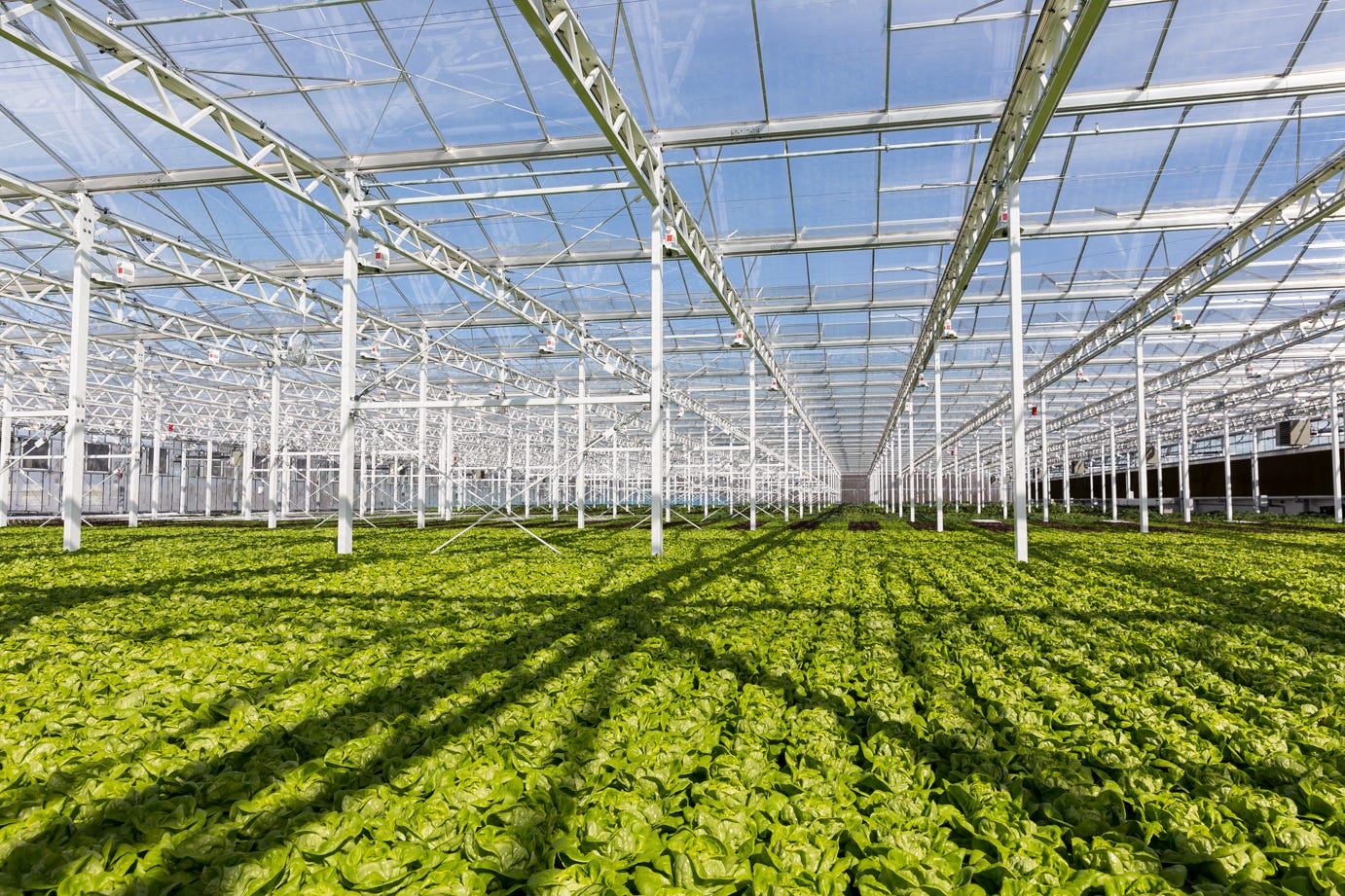
Lufa Farms: Founded in 2009, Lufa Farms has been supplying Montrealers for over a decade with their fresh produce, and now claims to be feeding 2% of Montreal families. They installed the world’s first rooftop commercial greenhouse on an industrial building seven years ago, with an ambitious vision of“proving responsible urban agriculture as a viable way to feed cities” by building “a local food system founded on tenets of responsible agriculture and sustainability: repurposing lost spaces, using biological pest control, recirculating water, reducing energy, and harvesting to order for fresh-as-possible rooftop-grown veggies with minimal-as-possible waste”. Since then, they’ve added several more rooftop greenhouses and expanded the range of products available in their customizable food basket. It’s been a delicious way to get local products and fresh produce around the year.

Miels d’Anicet: Miels d’Anicet just celebrated its 20th anniversary of beekeeping this year. As they say, 20 years of “foraging, hard work, incredible human encounters, observing changes in nature, harvesting honey and loving this insect that feeds our curiosity and our lives”. Their organic honeys are made in the Laurentians region about 2 hours outside Montreal and are simply delicious. At per their website, “floral diversity, forest character of the territory and respect for the intrinsic nature of raw honey give Miels d’Anicet’s honeys a texture and a unique taste complexity varying with the seasons”. The team also makes body care products (shampoo, soaps, etc) with honey and other plants.

Forêt: Identifier, Cueillir, Cuisiner: This reference book (available in French) by journalist Gérard Le Gal and his daughter Ariane, co-owners of Gourmet Sauvage, is a beautifully illustrated bible of edible forest food, from morel mushrooms to wild plants, as well as a great primer for seasonal northern gastronomy. For those interested in finding part of dinner along the trail!
Place
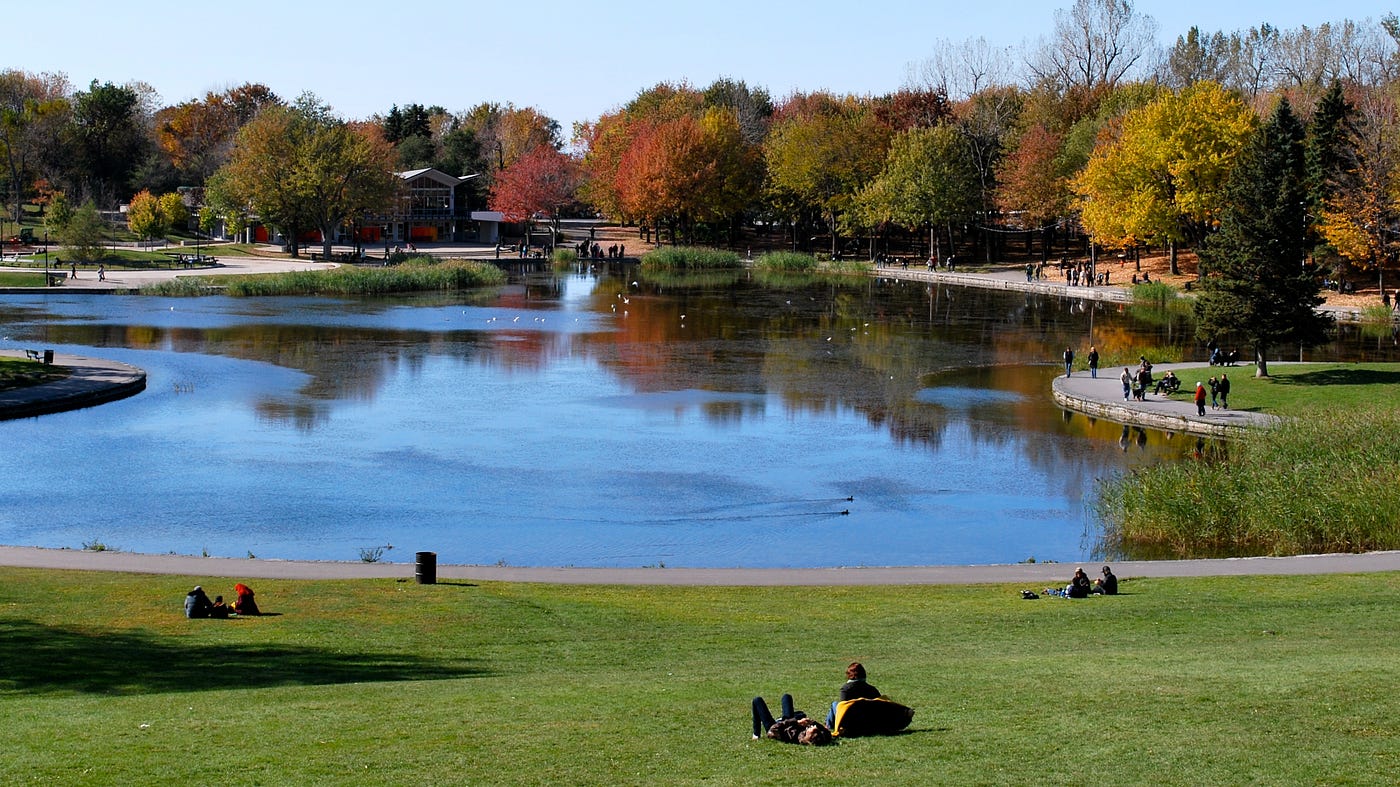
Beaver Lake & Mount-Royal Cemetery: This year, I really got to discover in much more detail this Montreal gem during all four seasons, and bottom line it’s pretty awesome always. I remember vividly a great bike ride this fall through Mont-Royal, past the Belvedere and straight into the pack portion of Beaver Lake that was magic. Beaver Lake also boasts a great park for kids to play, tucked into its back corner. The adjacent cemetery, with its 165 acres, is great for quiet long walks, bird watching and is full of superb vantage points on the city and mountain — a nice change of scenery from the more popular Mount-Royal park not too far away on the other side of the mountain.
Initiative

Les Cuisines Solidaires by La Tablée des Chefs: Helmed by the dynamic and infatigable social entrepreneur Jean-Francois Archambault, La Tablée des Chefs has been one of the prolific and effective non-profit organizations in Quebec in the last decade. Their broad mission covers 3 parts: feeding (3 million portions distributed to people in need), educating (30K youths benefiting from culinary training) and social economy. This year, during the first wave of the pandemic, the organization launched Les Cuisines Solidaires (“united kitchens”) with the idea of reopening closed restaurant kitchens to help prepare food for those in need. More than 600 tons of ingredients were donated, with more than 2 million meals ultimately prepared and distributed to local food banks.
Pour Rêver mieux: Two Quebec artists of Vietnamese origin remixed Daniel Bélanger’s classic Rêver mieux (“dream better”) with many guest collaborators in an effort to raise awareness for underrepresentation of Quebecers of different background including those of Indigenous descent in popular culture (movies, etc), as well as encourage a dialogue on the crucial issue of culture diversity. The video is beautiful, showing “faces lighting up in a vibrant multi-coloured panorama”, according to the director. Eager to see where they take this project next.
Mural

Pandemic mural by Patrick Forchild: An impressive six-storey mural created during Montreal’s Mural Festival honours health-care workers at the Jewish General Hospital. It contains three interlocking embraces. Interestingly, there is some ambiguity as to who is the patient and who is the caregiver. The muralist explains “I wanted to represent support and compassion. I wanted to highlight the interrelationship between caregivers and patients, and this need for recognition on both sides is why they are dressed the same. (…) It is a symbolic way of remembering how heartbreaking this crisis is, because it makes gestures of affection and human warmth so difficult to perform”.